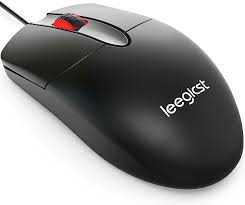
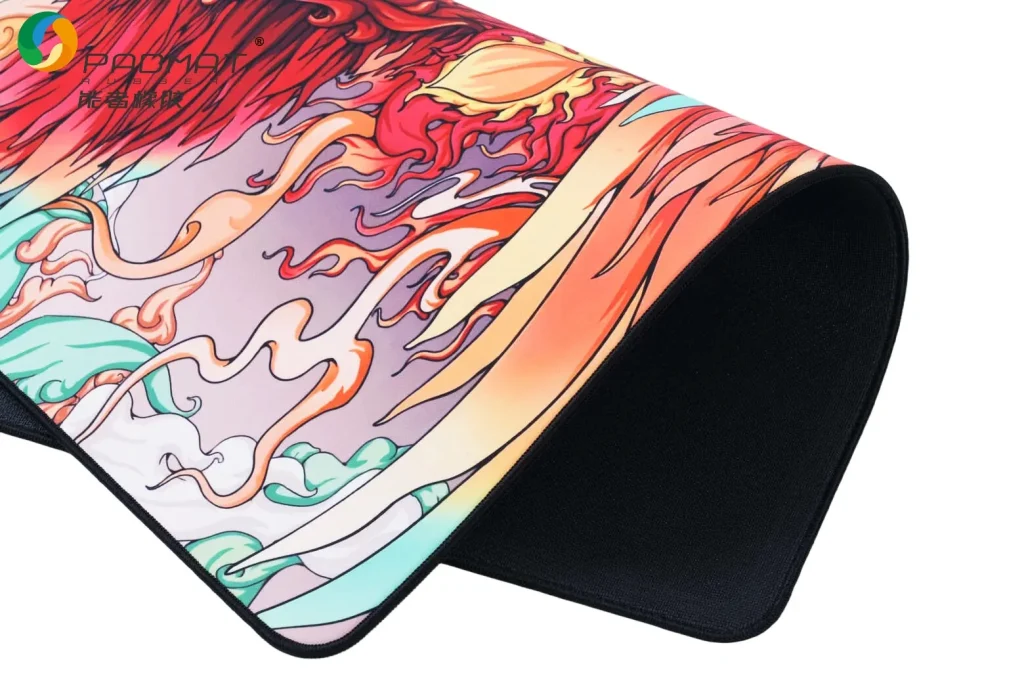
1. What Are Private Label Mouse Pads?
Private label mouse pads are products manufactured by a third-party factory and sold under your own brand name. Instead of building your own production facilities, you work with a manufacturer to develop mouse pads that match your brand positioning, target customers, and budget. This allows brands to expand their product lines without managing the entire manufacturing process themselves.
For gaming brands, office supply companies, promotional product businesses, and lifestyle brands, private labeling offers flexibility in product design and market positioning. Depending on the manufacturer’s capabilities, you can customize the product’s materials, size, printing, thickness, edge finishing, and packaging to create a more distinctive product.
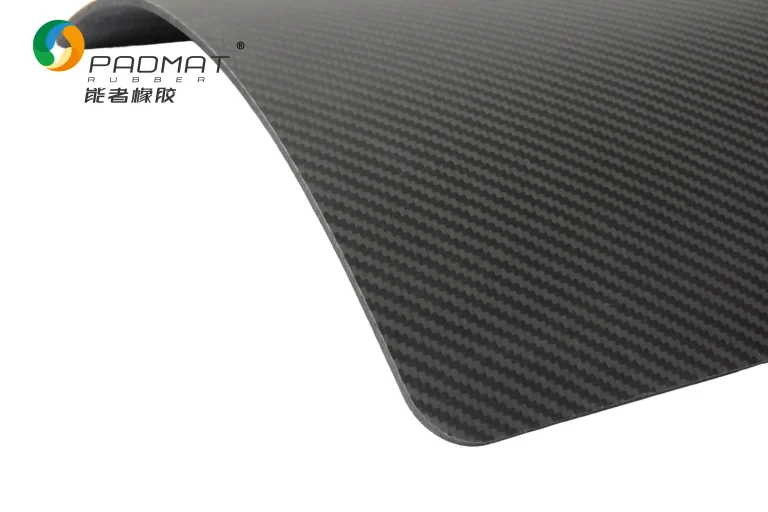
2. Choose the Right Materials and Product Type
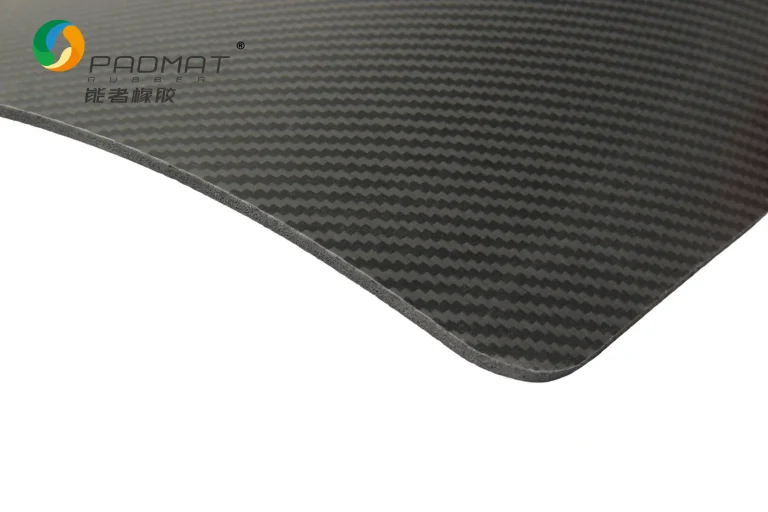
Material selection is one of the first decisions when developing private label mouse pads. Fabric surfaces are popular for everyday office use and gaming because they support printed designs and offer different levels of friction. PU leather can create a more premium appearance for desk mats, while different rubber or foam bases can provide varying levels of grip, flexibility, and cushioning.
You should also consider the product category that best fits your customers. Standard mouse pads are suitable for general office use, while gaming mouse pads may require specific surface characteristics and a stable base. Large desk mats can appeal to customers who want to cover more of their workspace. Defining the intended use before requesting samples helps narrow down material options and avoid unnecessary development costs.
3. Customize Design, Size, and Branding
A key advantage of private label mouse pads is the ability to create products that reflect your brand identity. Customization can include logos, full-surface artwork, brand colors, product dimensions, thickness, and edge finishing. Printing methods should be selected according to the artwork, material, expected appearance, and order requirements. Before mass production, confirm that the logo placement, colors, and overall design match your expectations.
Packaging is another important part of branding. Options may include individual polybags, paper sleeves, retail boxes, or custom-designed packaging. If your products will be sold through e-commerce platforms or retail stores, consider how the packaging protects the mouse pad during shipping and presents it to customers. A consistent product and packaging design can help create a more professional brand experience.
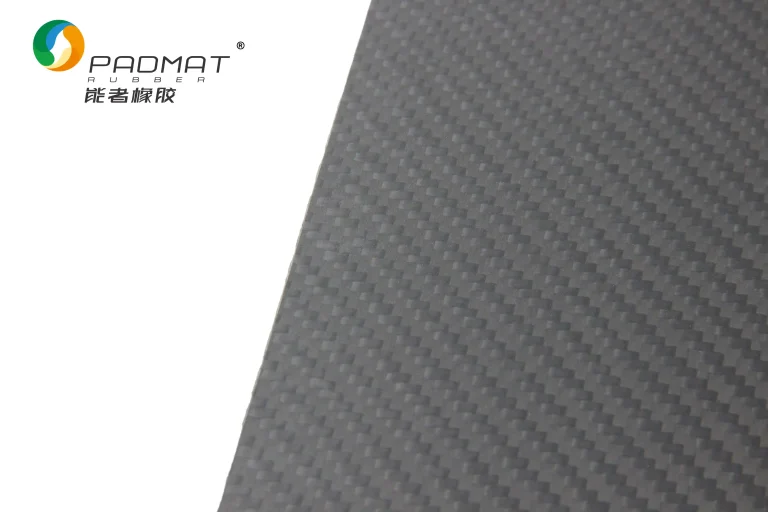
4. Understand MOQ, Pricing, and Lead Time
Before placing an order, clarify the manufacturer’s minimum order quantity (MOQ), unit price, sampling cost, and production lead time. Pricing is affected by material, dimensions, thickness, printing complexity, edge finishing, packaging, and order volume. A larger order may reduce the unit cost, but ordering more than you can reasonably sell can tie up working capital and create inventory risks.
Ask for a detailed quotation that clearly lists the product specifications and included services. Confirm whether the price covers printing, packaging, sampling, and any additional customization fees. You should also discuss sample approval, production scheduling, inspection, and shipping arrangements. Clear communication at the quotation stage makes budgeting more accurate and helps reduce misunderstandings later.
5. How to Choose a Reliable Private Label Mouse Pad Manufacturer
A reliable manufacturer should offer consistent product quality, practical customization options, and clear communication throughout the order process. Review its manufacturing capabilities, quality control procedures, sample quality, and experience with OEM or private label projects. If you need different products or plan to expand your range later, a supplier with broader material and product development capabilities may also be valuable.
Whenever possible, evaluate samples before committing to bulk production. Check surface texture, printing quality, dimensions, edge finishing, base grip, and packaging. It is also helpful to confirm how the supplier handles defective products, specification changes, and repeat orders. The right partner should do more than manufacture your design; it should help you maintain consistency as your brand grows.
Conclusion
Private label mouse pads give brands a practical way to build their own product lines without investing in manufacturing facilities. By selecting suitable materials, developing distinctive designs, planning packaging, understanding costs, and working with a reliable supplier, you can create products that meet your customers’ needs and support long-term brand development.
At Padmat Rubber, we provide OEM and ODM customization for mouse pads and other rubber mat products, supporting brands with material selection, product customization, and manufacturing. If you are planning to launch your own mouse pad collection, working with an experienced manufacturing partner can help turn your ideas into market-ready products.