01|Choosing the Right Materials for Gaming Performance
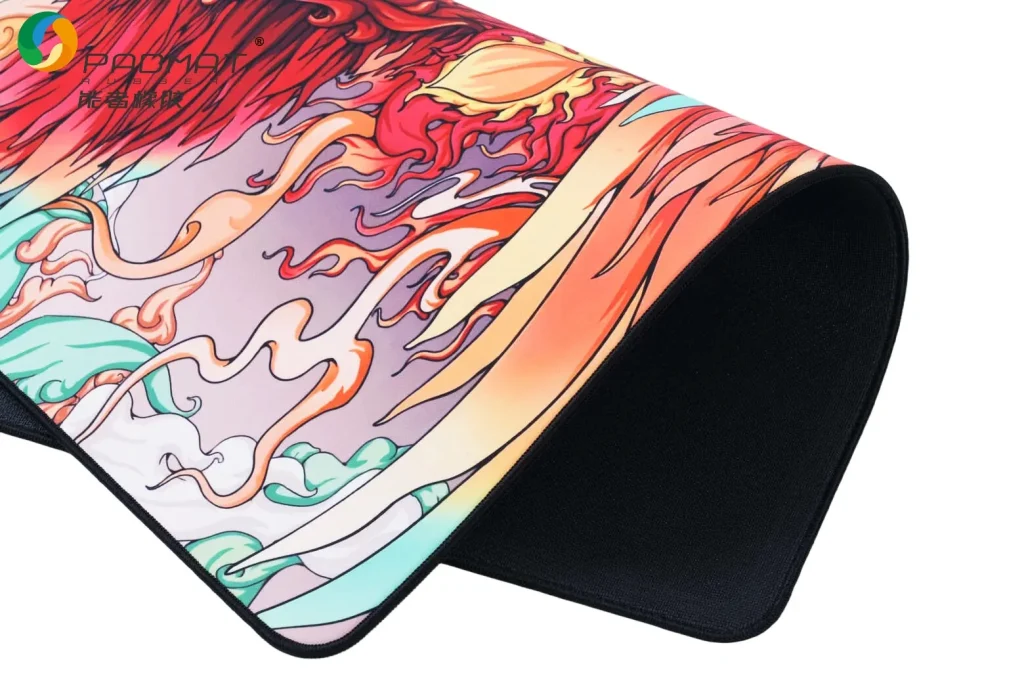
A high-performance gaming mouse pad starts with the right materials. For gamers, the surface affects how the mouse moves, while the base helps keep the pad stable during intense gameplay. Gaming mouse pad manufacturers must consider both factors when developing a product, because even small differences in materials can change the overall feel and performance.
Fabric surfaces are widely used because they can provide different levels of friction and support a range of playing styles. Rubber bases are also common due to their flexibility and grip. Depending on the product requirements, manufacturers may adjust the material combination, thickness, and surface construction to create a mouse pad suited to different users and gaming applications.
02|Balancing Speed and Control
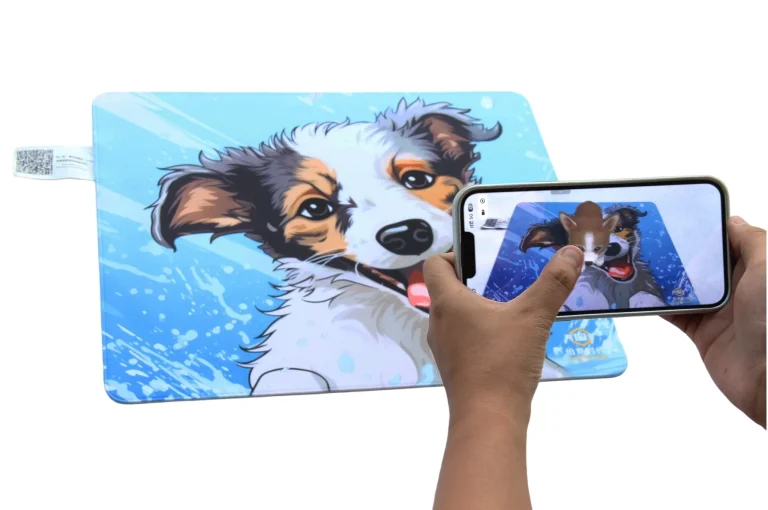
One of the biggest challenges in gaming mouse pad development is balancing speed and control. A smoother surface may help the mouse glide with less resistance, while a surface with more friction can provide a more controlled feel. Neither option is automatically better; the right choice depends on the player’s preferences, mouse sensitivity, and game type.
For example, some players prefer a faster surface for broad, continuous movements, while others value more resistance for precise aiming. Manufacturers can develop different surface textures and material combinations to meet these needs. Consistency is equally important: the surface should deliver a predictable feel across the pad rather than having noticeable differences between areas.
03|Designing a Stable and Comfortable Base
Surface performance is only part of the equation. A gaming mouse pad also needs a base that stays in place during fast movements. An effective anti-slip base helps reduce unwanted shifting, allowing players to focus on the game instead of adjusting their mouse pad repeatedly.
Thickness and flexibility also influence the experience. A thicker pad may provide a softer feel under the wrist, while a firmer construction can suit users who prefer a more consistent surface. Manufacturers must consider the relationship between the top layer, base material, and overall thickness to create a balanced product.
Edge finishing is another detail worth considering. Properly stitched or otherwise well-finished edges can help improve the appearance and durability of a gaming mouse pad. For brands developing custom products, these details also provide opportunities to create a distinctive design that matches their product identity.

04|Precision Manufacturing and Quality Control
Even carefully selected materials cannot guarantee a high-quality product without reliable manufacturing processes. Production steps such as printing, lamination, cutting, and edge finishing need to be managed carefully to help maintain consistent dimensions, appearance, and construction.
Quality control should cover more than visual inspection. Manufacturers can check dimensions, thickness, surface appearance, base grip, printing quality, and edge finishing according to the product specifications. For gaming mouse pads, evaluating the consistency of surface feel and the stability of the base can also help identify potential issues before shipment.
For OEM and ODM projects, repeatability matters just as much as the first sample. Brands need confidence that mass-produced products will follow the approved specifications. Clear quality standards and communication between the manufacturer and buyer help reduce misunderstandings and support more reliable production.
05|Customizing Gaming Mouse Pads for Different Brands
There is no single gaming mouse pad design that suits every brand or player. Some products prioritize speed, others emphasize control, and some focus on comfort, appearance, or a combination of features. A capable gaming mouse pad manufacturer should understand these differences and help buyers choose suitable materials, dimensions, thickness, printing, and edge treatments.
At Padmat Rubber, custom gaming mouse pad projects can be developed around different product concepts and brand requirements. From material selection and surface design to printing, finishing, and packaging, OEM and ODM manufacturing provides brands with flexibility to develop products for their target markets.
Creating a high-performance gaming mouse pad is about bringing together the right materials, surface characteristics, stable construction, and consistent manufacturing. By working with an experienced manufacturing partner, brands can turn their product ideas into reliable gaming accessories designed for their customers.
Lorem ipsum dolor sit amet, consectetur adipiscing elit. Ut elit tellus, luctus nec ullamcorper mattis, pulvinar dapibus leo.