When developing a custom mouse pad, choosing the right manufacturing location can have a major impact on product quality, cost, development speed, and long-term supply. China has become an important manufacturing base for mouse pads and other computer accessories, with a wide range of factories offering OEM and ODM production.
For brands, distributors, and purchasing teams, working directly with a mouse pad factory in China can provide more flexibility throughout the product development and manufacturing process. But the key is to find a factory with the right capabilities rather than choosing based on price alone.

1. More Flexible Customization
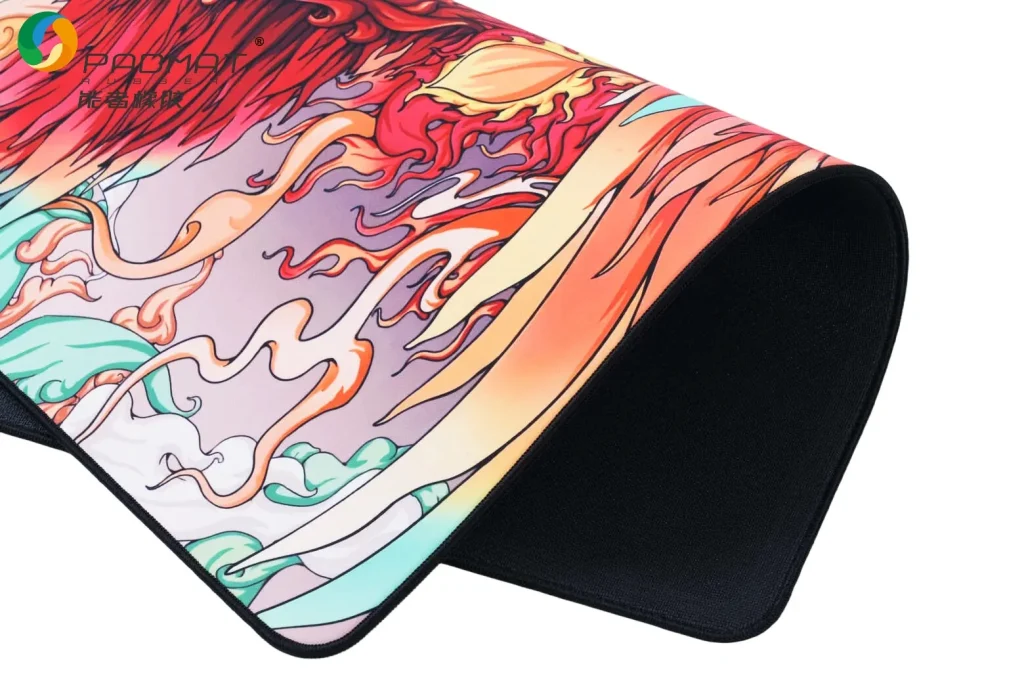
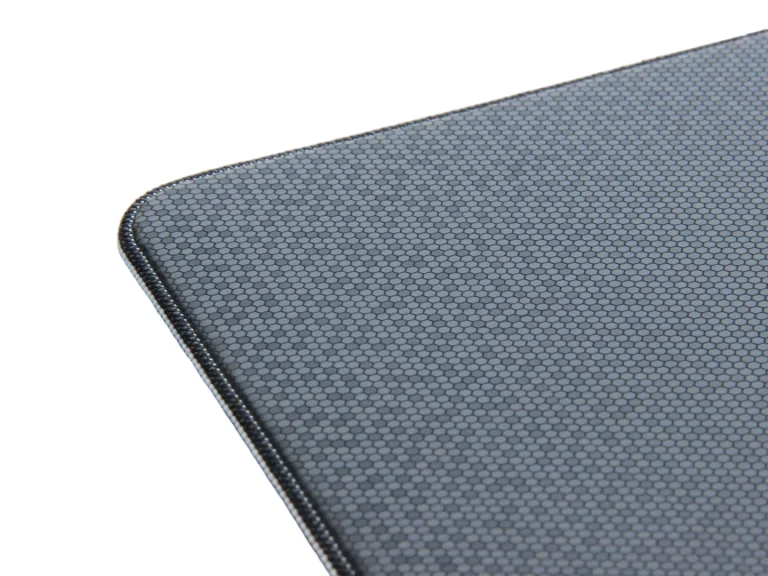
One of the main reasons brands work with Chinese mouse pad manufacturers is the wide range of customization options. A professional factory can work with different surface fabrics, rubber or foam bases, sizes, thicknesses, shapes, printing methods, edge finishing, and packaging solutions.
This flexibility is especially valuable for brands that want to create products that are different from standard wholesale mouse pads. For example, a gaming brand may require a specific surface texture and thickness, while a lifestyle brand may focus more on unique shapes, artwork, packaging, and materials.
At Padmat Rubber, customization covers surfaces, base materials, sizes, functions, edge finishing, and packaging, allowing products to be developed around specific brand requirements.
2. Integrated Manufacturing Can Improve Efficiency
Another advantage of working with a factory is having more production processes under one manufacturing system. Mouse pad production can involve printing, lamination, cutting, stitching, finishing, quality inspection, and packaging. When these processes are coordinated within the same facility, communication between different production stages can be more direct.
For custom projects, this can be important because changes to one part of the product may affect another. For example, changing the surface material can influence printing, lamination, or the final feel of the product. A manufacturer with integrated production capabilities can coordinate these requirements more efficiently.
Padmat Rubber operates a 20,000 m² in-house manufacturing facility and states that its production process is managed from raw materials through finished products within its own facility.
3. Competitive Production Costs and Supply Chain Access
Cost is another important consideration when selecting a manufacturing partner. China’s large manufacturing ecosystem provides access to established supply chains for rubber, fabrics, printing materials, packaging, and other components used in mouse pad production.
However, a lower unit price should not be the only reason to choose a supplier. For brands, the total cost also includes sampling, tooling or development, quality issues, packaging, logistics, and the potential cost of inconsistent production. A supplier that can maintain stable quality and communicate efficiently may provide better overall value than a factory offering only a lower quotation.
This is why brands should evaluate manufacturing capability, quality systems, communication, and customization support together when comparing Chinese suppliers.
4. Strong OEM and ODM Support
For brands developing their own mouse pads, manufacturing is only one part of the project. Product development support can be equally important. OEM and ODM capabilities allow manufacturers to work with customers at different stages, from an existing product specification to a new product concept.
An experienced manufacturer can help evaluate materials, production methods, dimensions, surface requirements, edge finishing, packaging, and other details before mass production. This can reduce unnecessary trial and error and help turn an initial concept into a manufacturable product.
For brands that are building a long-term product line, this type of cooperation can also make it easier to introduce new sizes, materials, designs, or product categories over time.
5. How to Choose the Right Mouse Pad Factory in China
Choosing a Chinese mouse pad factory should involve more than comparing quotations. Before placing an order, brands should look at the manufacturer’s production experience, customization capabilities, quality control system, sample process, certifications, communication, and ability to support the expected order volume.
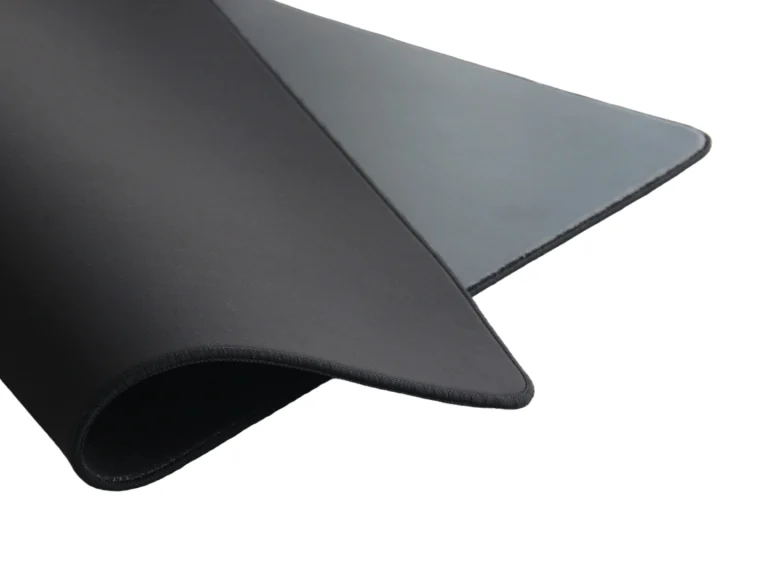
It is also useful to ask for samples before mass production. A physical sample allows buyers to evaluate the surface feel, printing quality, thickness, dimensions, edge finishing, and overall construction before committing to a larger order.
At Padmat Rubber, we provide OEM and ODM mouse pad manufacturing for global brands and business customers. With in-house production, product development capabilities, and a range of customization options, our goal is to help customers move from product ideas to reliable mass production.
Conclusion
Choosing a mouse pad factory in China can give brands access to flexible customization, established manufacturing capabilities, integrated production, and OEM/ODM development support. However, the right supplier should be evaluated based on the complete manufacturing process rather than price alone.
For brands planning a new mouse pad product, the right manufacturing partner can make the journey from concept to mass production more efficient and consistent.