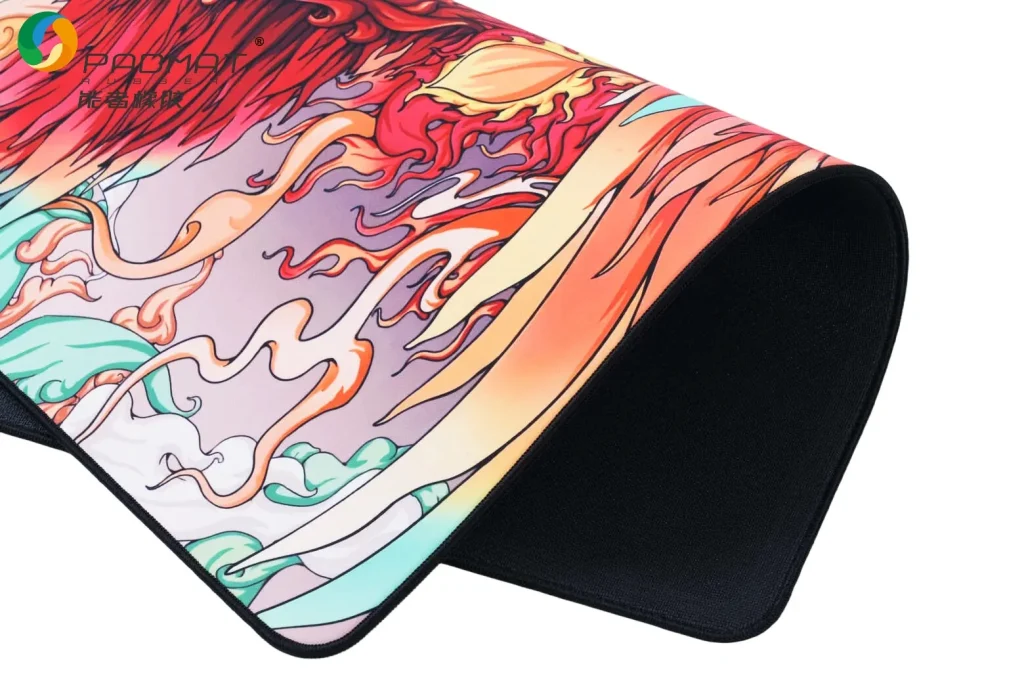
A custom mouse pad may look like a simple product, but producing a high-quality one involves several carefully controlled manufacturing steps. The choice of materials, printing method, lamination, cutting, edge finishing, and quality control can all affect the final product. For brands and businesses developing their own mouse pads, understanding the custom mouse pad manufacturing process can make supplier communication and product development much easier.
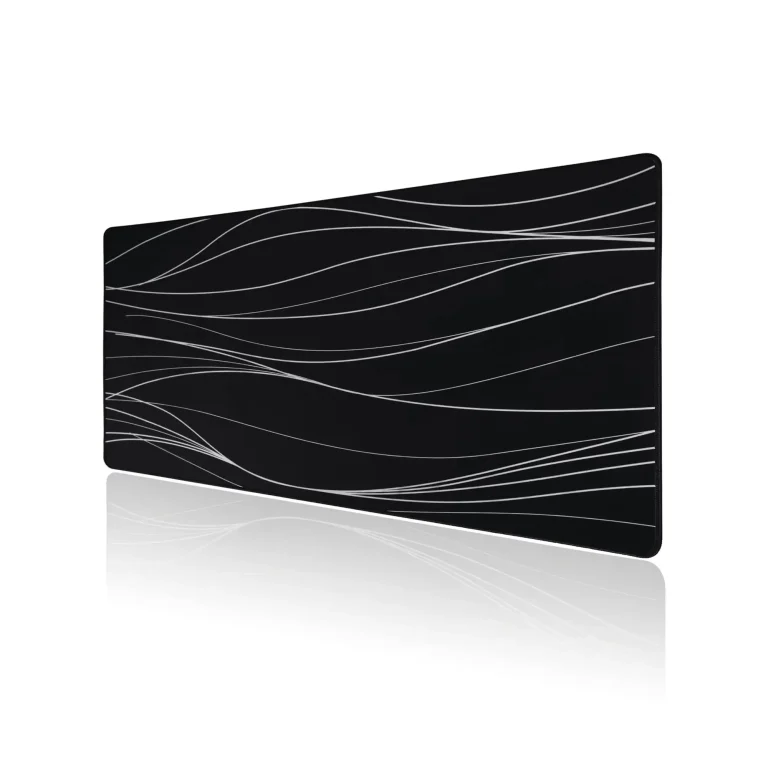
1. Material Selection and Product Design
The first step is choosing the right materials based on the product’s intended use. A typical custom mouse pad consists of a surface layer and a flexible base. The surface can be made from polyester, microfiber, Lycra, or other fabrics, while the base may use natural rubber, SBR, PU foam, or other materials.
Material selection should match the product’s performance requirements. For example, gaming mouse pads may require a specific surface texture to provide a balance between speed and control, while promotional mouse pads may place greater emphasis on printing quality, comfort, and cost efficiency. Size, thickness, shape, and other specifications should also be confirmed at this stage.
2. Printing and Lamination
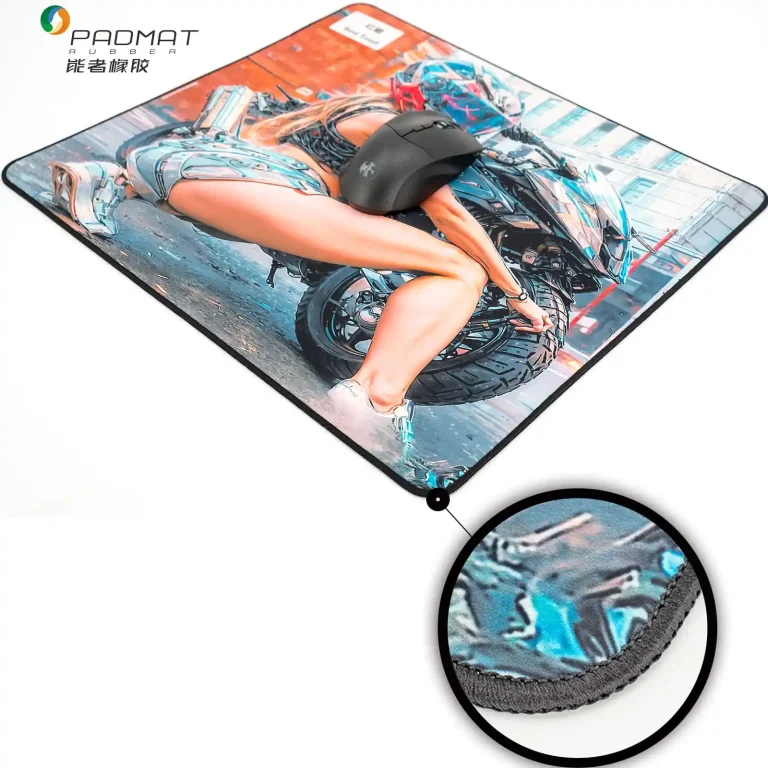
After the materials and artwork are confirmed, the surface design moves into the printing stage. For full-color fabric mouse pads, heat-transfer or dye-sublimation printing is commonly used to reproduce detailed graphics, logos, patterns, and brand colors. The printing method should be selected according to the fabric and the required visual effect.
Once printing is completed, the printed fabric is laminated with the rubber or foam base. Lamination is an important step because it directly affects the flatness, flexibility, bonding strength, and durability of the mouse pad. Proper control of temperature, pressure, alignment, and adhesive conditions helps prevent issues such as bubbles, wrinkles, or separation.
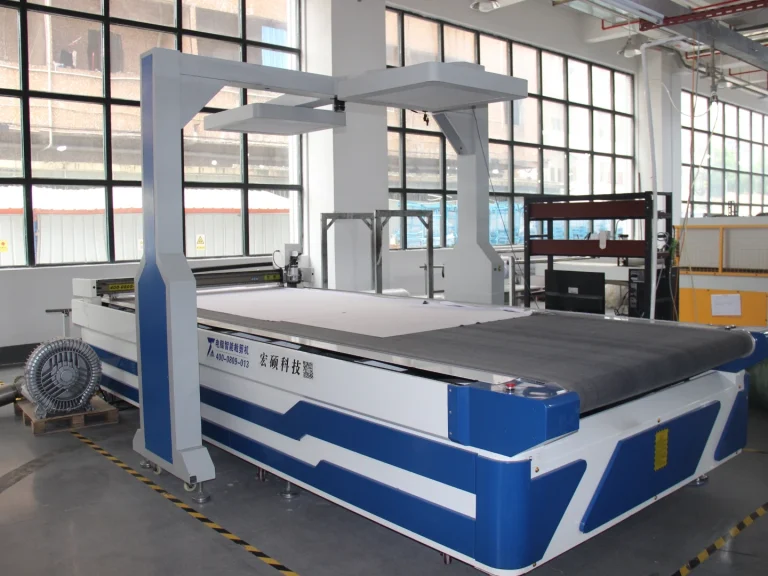
3. Precision Cutting and Edge Finishing
After lamination, the combined material is cut into the required size and shape. Standard rectangular mouse pads can be produced efficiently, while custom-shaped products require more precise cutting specifications. Accurate cutting is important because even small dimensional differences can affect the final appearance and fit of the product.
4. Quality Control and Packaging
Quality control should be carried out throughout the manufacturing process rather than only during the final inspection. Manufacturers need to check material quality, printing clarity, color consistency, lamination, dimensions, surface condition, edge finishing, and overall appearance.
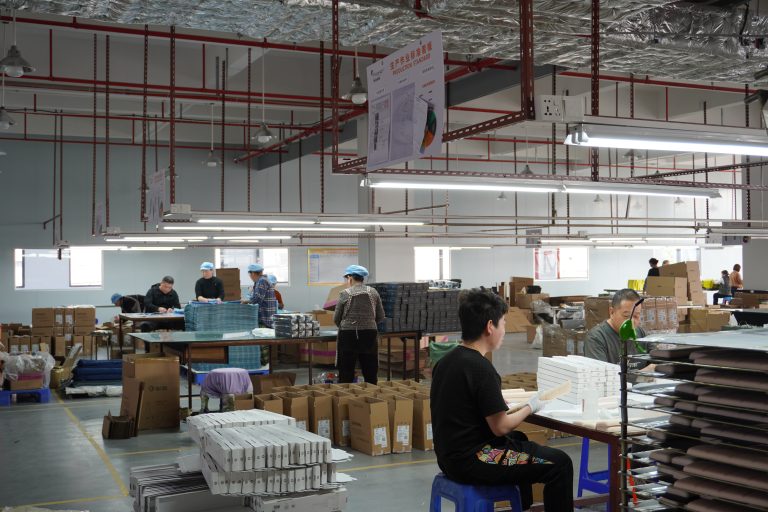
5. From Design to Mass Production
A successful custom mouse pad manufacturing process is not simply about producing a product according to a drawing. It requires close cooperation between the customer and manufacturer from product design and material selection to sampling, production, quality control, and packaging.
At Padmat Rubber, we support custom mouse pad development from material selection and printing to lamination, cutting, edge finishing, quality inspection, and packaging. With flexible OEM/ODM capabilities, we can develop different types of mouse pads according to a brand’s design, performance, size, material, and packaging requirements.
Contact US
Conclusion
Understanding how a custom mouse pad is manufactured helps brands make better decisions when selecting materials, evaluating suppliers, and developing new products. Every step, from the first material choice to the final packaging, contributes to the quality and performance of the finished mouse pad.
Whether you are developing a custom gaming mouse pad, promotional mouse pad, or large desk mat, choosing the right manufacturing partner is an important part of building a reliable product. A well-controlled production process provides the foundation for consistent quality and long-term OEM cooperation.