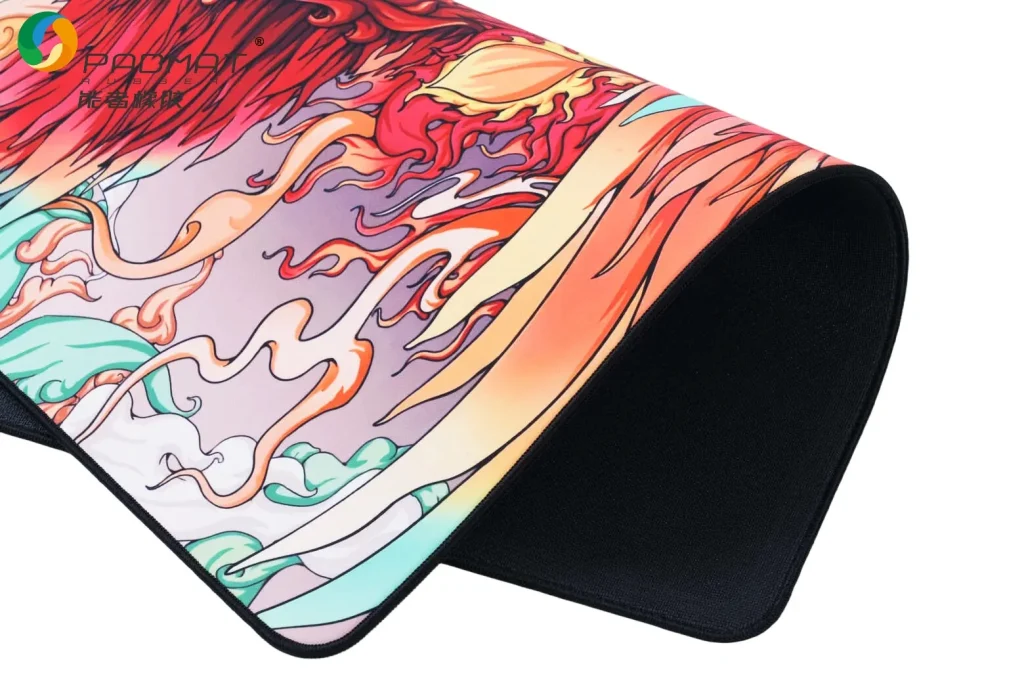
Every time a customer visits our factory, they always ask the same question when they walk past the shelves with red labels in the corner of our warehouse:“What are these?”
We explain to them:“These are defective products. They will not be sold to customers.”
Most customers then continue to ask:“So how are they handled? Are they simply thrown away?”
The answer is not that simple.
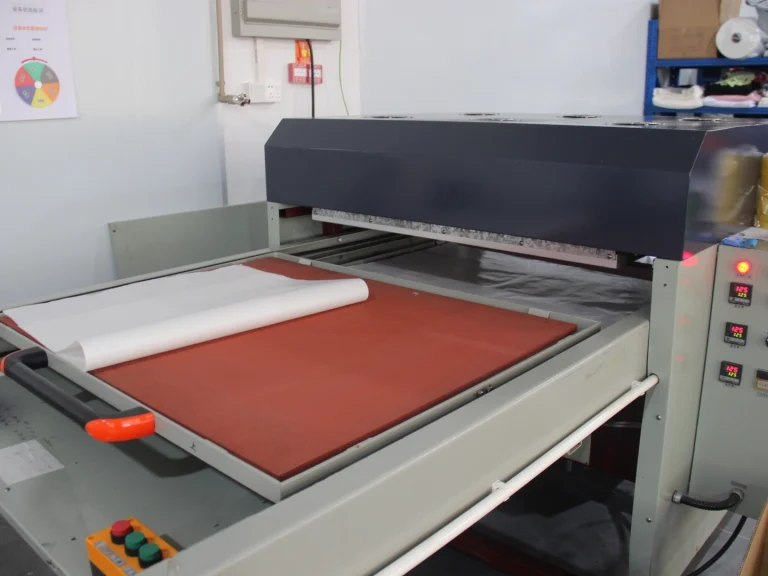
What Is an “Unqualified” Mouse Pad?
In the production process, a mouse pad may be considered unqualified due to various reasons, including:
Surface defects:
The mouse pad surface directly affects the user experience. Issues such as uneven texture, stains, scratches, or inconsistent surface treatment may affect mouse movement and tracking performance.
Material problems:
The quality of the materials determines the durability and performance of the mouse pad. If the rubber base, surface material, or other components do not meet requirements, problems may occur during use.
Size and shape deviations:
Mouse pads require accurate dimensions and a flat surface. Products with incorrect sizes, uneven edges, or deformation cannot meet quality standards.
Processing defects:
During production, problems may occur due to processing errors or equipment adjustments. These issues may affect the final quality of the product.
Appearance issues:
As a product representing a brand image, appearance quality is also important. Any noticeable defects that affect the overall appearance will be considered unacceptable.
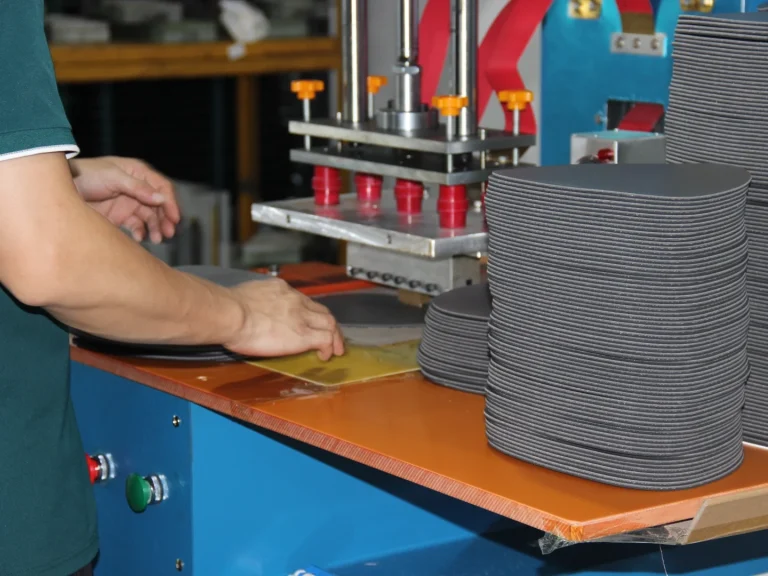
Where Do These Defective Mouse Pads Go?
These “unsellable” mouse pads are not simply thrown away. We handle them differently depending on their type.
Type 1: Minor Appearance Defects — Stored Separately for Recycling
Products with minor printing deviations or slight color differences may still function normally, but they do not meet our appearance standards.
We do not use these products internally or distribute them as employee benefits. Instead, they are classified as defective inventory and stored together for centralized recycling and disposal.
Type 2: Functional Defects or Serious Appearance Issues — Destroyed and Professionally Recycled
Products with issues such as poor anti-slip performance of the rubber base or excessive odor are physically destroyed through methods such as cutting or shredding to ensure they cannot re-enter the market as qualified products.
The destroyed materials are collected and transported by licensed solid waste recycling companies, with complete disposal records maintained for future reference.
Type 3: Trial Production Samples and Prototype Waste — Also Destroyed
Prototype samples containing unreleased customer designs must either be destroyed on-site or taken back by the customer.
This is a basic requirement for protecting customer confidentiality.
Type 4: Pure Rubber Scrap and Cutting Waste — Recycled Through a Closed-Loop System
During mouse pad production, large rolls of rubber sheets are cut into individual pads, which inevitably creates a significant amount of edge scrap.
These scraps are clean, uncoated pure rubber materials. We have established long-term partnerships with professional recycling companies to collect and process them through standardized recycling procedures.
The recycled materials are processed into recycled rubber granules, which are then used in industrial products such as sports flooring, sound insulation materials, and rubber tiles.
Some EU customers specifically require the use of compliant recycled rubber materials in their products. Through this closed-loop recycling partnership, we ensure that rubber scraps enter a traceable recycling system, while also supporting our ability to meet environmental certification requirements for the European market.
Why Can’t We Simply Throw Them Away?
Some people may think: “Isn’t it just a rubber mat? Why not simply throw it away?”
However, for PadmatRubber, casually disposing of defective products creates three major issues:
1. Business Reputation
If products with minor defects enter low-price channels and are seen by consumers or brand owners, it damages their trust in our quality standards.
For export orders, factories are usually required to provide destruction certificates or recycling records for defective inventory. This is not an exaggeration, but a basic requirement.
2. Environmental Responsibility
Rubber is difficult to degrade naturally, and direct landfill disposal may cause environmental pollution.
Proper waste disposal is part of our environmental responsibility and also reflects a factory’s management capabilities.
3. Intellectual Property Protection
Prototype waste may contain unreleased customer designs. Improper disposal could lead to design leaks, damage customer interests, and even cause intellectual property disputes.
This is something we will never allow to happen.
“Defect Rate” Is a Mirror of a Factory’s Quality System
Many people believe that the lower the defect rate, the better.
For customers, this is true. But for manufacturers, defect rate also reflects the effectiveness of the quality control system.
A defect rate close to 0% is not always a good sign. It may mean inspections are too lenient and products that should have been rejected were allowed to pass.
A healthy quality system maintains a reasonable defect rate (such as around 2%) while ensuring every defective product has a clear reason and record.
Every unsellable mouse pad in our warehouse has a Non-Conforming Product Report, recording the order number, defect description, cause analysis, disposal method, and approval information.
When the same defect appears repeatedly, these records help us trace the cause and improve production processes.
Invisible Costs, Visible Bottom Line
Every scrapped mouse pad represents a loss of materials, labor, and production time.
But this is a cost we choose to accept — using a 2% defect rate to achieve a 98% qualified product rate and 100% customer trust.
These unsellable mouse pads have clear and traceable destinations: they are either recycled into regenerated materials or physically destroyed with records kept in our quality files.
One thing is certain: they will never reach customers carrying our label and being sold as qualified products.
This is our bottom line when handling defective products, and this is how PadmatRubber understands quality.