01|What Determines Custom Mouse Pad Cost?
When brands plan a custom mouse pad project, cost is often one of the first questions they consider. However, there is no fixed price for a custom mouse pad. The final cost depends on several factors, including materials, size, thickness, printing, edge finishing, packaging, order quantity, and other customization requirements. Understanding these factors can help brands make better purchasing decisions instead of simply choosing the lowest quotation.
For B2B buyers, comparing prices only makes sense when the product specifications are the same. A cheaper quotation may use different materials, simpler finishing, or basic packaging. Therefore, brands should first define what they actually need and then compare suppliers based on the same requirements.
02|Material Choice Has a Direct Impact on Cost
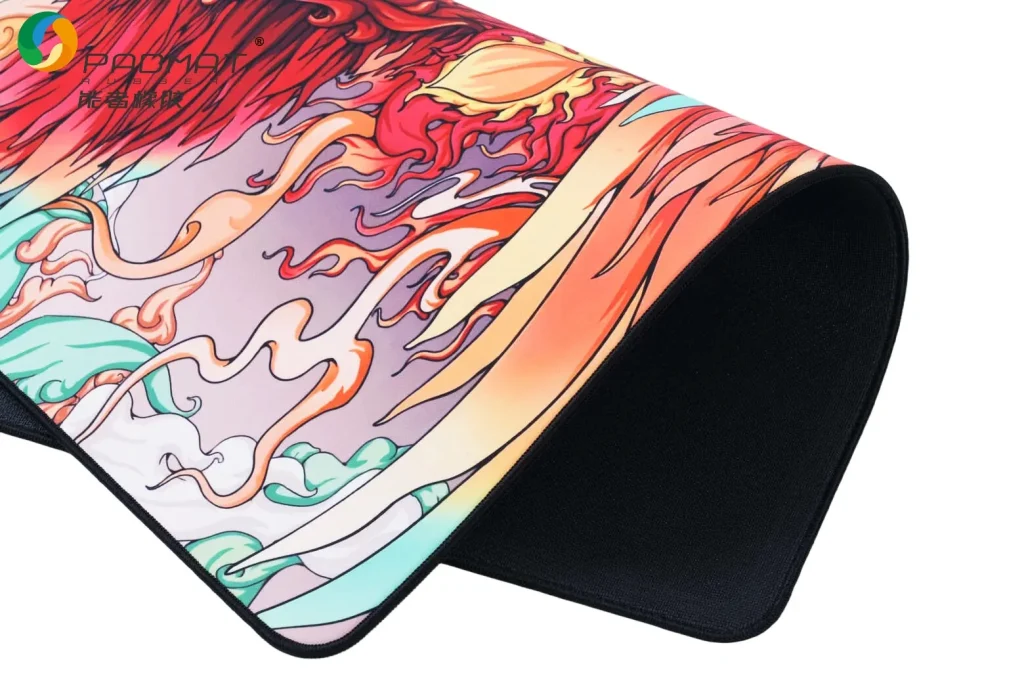
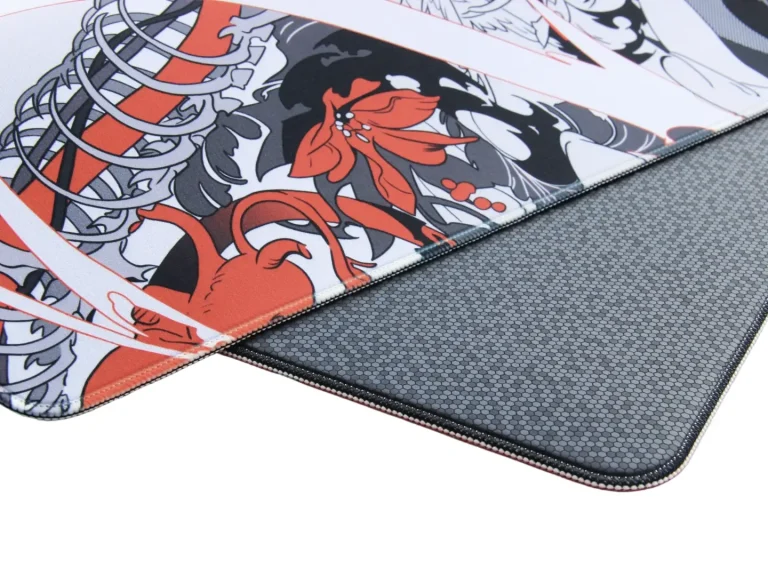
Materials are one of the most important factors in custom mouse pad pricing. A mouse pad normally combines a surface material with a base material, and different combinations can create different product experiences. Fabric surfaces are widely used for printed mouse pads because they provide a good surface for detailed graphics. Rubber bases are also common because they offer flexibility and anti-slip performance.
For products with different positioning, brands may also consider materials such as PU leather, microfiber, natural rubber, SCR, or PORON. Choosing a higher-grade material may increase the cost, but it can also improve comfort, durability, appearance, or product performance. The right choice should therefore depend on the target market and product positioning.
03|Printing, Size and Finishing Matter Too
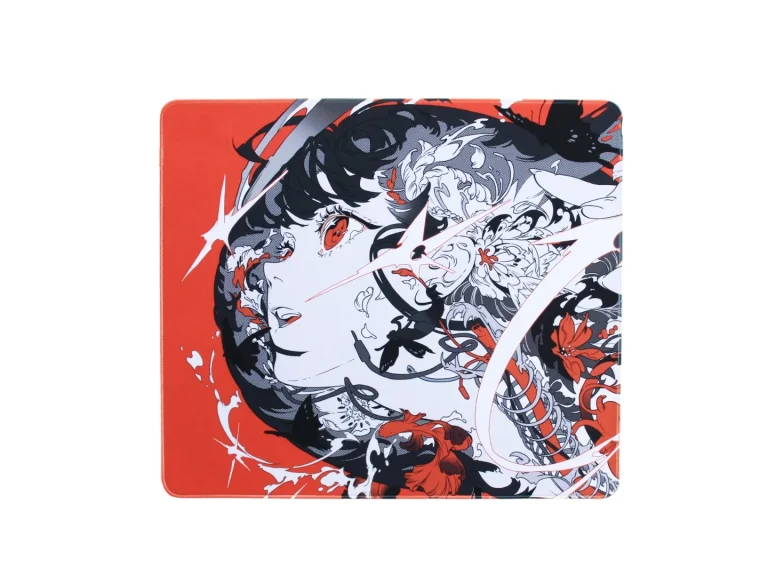
Printing is another important part of the cost. A simple logo and a full-surface colorful design may require different production processes. The printing method also needs to match the surface material and the desired visual effect. For brands that use detailed artwork or complex patterns, choosing the right printing process is important for both appearance and production efficiency.
Product size is another obvious cost factor. A standard mouse pad uses less material than a large extended desk mat, while thickness also affects material consumption. Edge finishing can further change the price. Options such as stitched edges, recessed stitching, painted edges, or special shapes may require additional production steps.
For this reason, a complete quotation should always be based on clear specifications rather than a general product description.
04|How Does MOQ Affect the Unit Price?
MOQ, or Minimum Order Quantity, is another key factor for B2B buyers. In general, larger production quantities can help manufacturers spread certain setup and production costs across more units, which may result in a more competitive unit price. However, the exact relationship between MOQ and price depends on the product and production requirements.
A buyer ordering 500 pieces and another ordering several thousand pieces may request the same mouse pad, but their unit prices can still be different. At the same time, special materials, unusual sizes, complex structures, or customized packaging may affect the MOQ. Therefore, buyers should discuss both MOQ and pricing with the manufacturer based on the complete product specification.
For brands developing a new product, samples are also an important step before mass production. A sample allows the buyer to check the material, printing, size, thickness, and overall appearance before committing to a larger order.
05|How to Get a More Accurate Custom Mouse Pad Quote
The easiest way to get an accurate quotation is to provide the manufacturer with a complete product specification. This should include the size, thickness, surface material, base material, artwork, printing requirements, edge finishing, quantity, packaging, and shipping destination. The more clearly the requirements are defined, the easier it is for the manufacturer to calculate the production cost.
Brands should also avoid comparing suppliers based only on the lowest unit price. A reliable custom mouse pad manufacturer should be able to discuss material options, production processes, quality control, MOQ, packaging, and delivery requirements with the buyer. Looking at the complete cost structure can help brands find a better balance between price and product quality.
At Padmat Rubber, custom mouse pad projects can be developed according to different materials, sizes, printing methods, edge treatments, and packaging requirements. For brands looking for an OEM or ODM manufacturing partner, understanding these cost factors is the first step toward developing a product that fits both the market and the budget.